-
Library
-
Research
-
About us
-
Contact
The Grants section includes current ORCA Labs funding opportunities, application materials, and information about awarded grants. It also showcases the researchers, projects, and initiatives supported through the program.
ORCA Labs’ research is available to all hearing healthcare professionals through many publications. For further information and access to specific publications, please contact us.
Our research is currently structured in four areas. Click below to discover each area.
ORCA Labs researchers and partners are spread across the globe but are united in being leaders in their field.
Do you have a hearing loss and use hearing aids? Or are you a senior with normal hearing? Do you want to be a test participant with us?
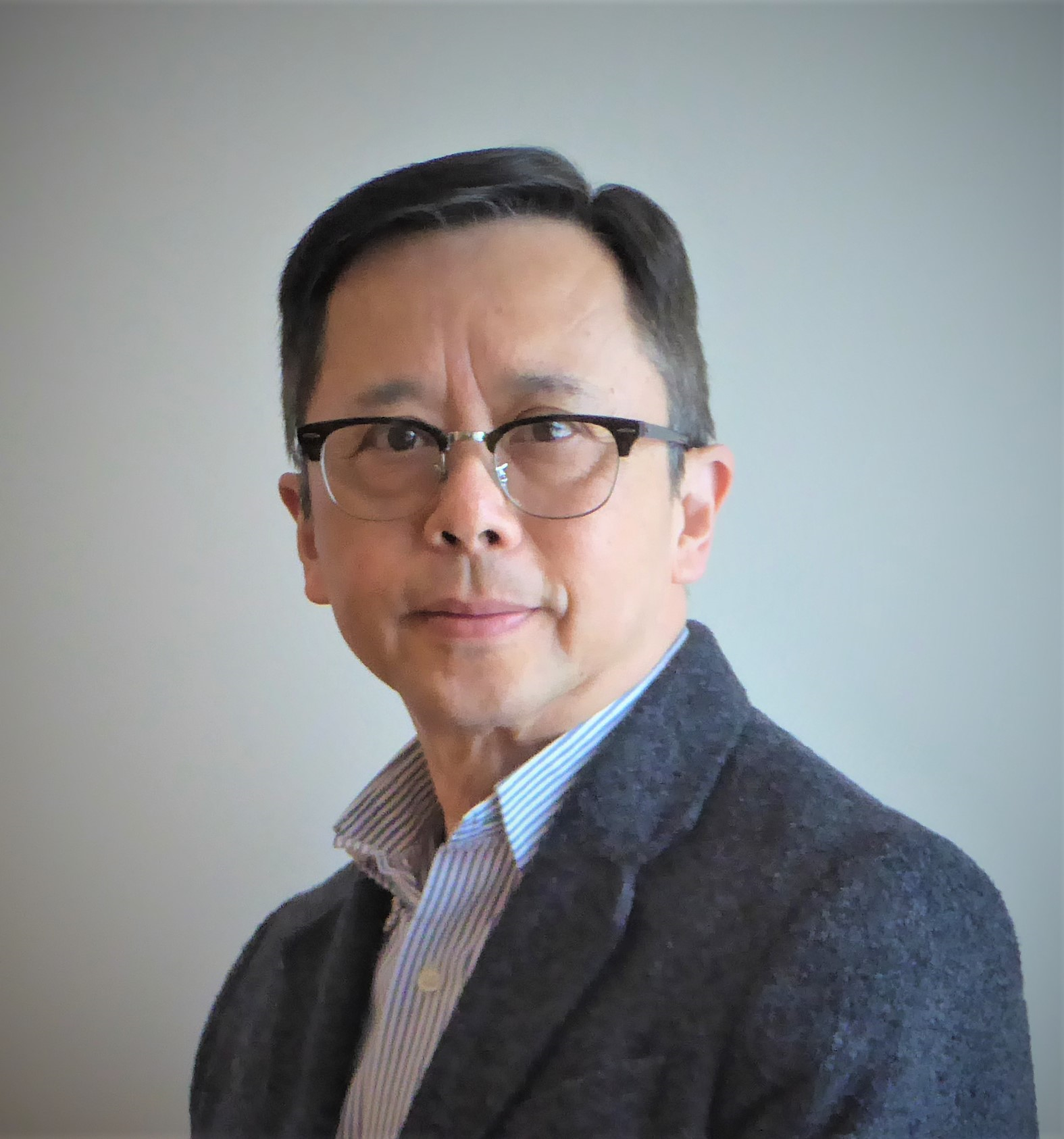
About
Dr. Kuk has been with Widex USA since December 1996. He earned both his Masters and Ph.D. degrees at the University of Iowa. Prior to joining Widex, Dr. Kuk held research and faculty positions at the University of Iowa and the University of Illinois-Chicago, respectively. Dr. Kuk has published extensively as well as been a speaker at numerous state, national and international conferences. He is also the editorial consultant for various professional journals. He was on the Board of Directors of the American Academy of Audiology (AAA) and president-elect of the American Auditory Society (AAS).
Research Interests
Francis’s research interests cover two main areas. First is the profiling of individual hearing abilities so we may recommend the optimal hearing aid features and/or fitting parameters. One example of such effort is the development of a noise acceptance measure – the Tracking of Noise Tolerance (TNT) test. Second is the evaluation of outcome measures and the development (and integration) of outcome measures that may more appropriately document the realistic benefits of hearing aid features. An example of such effort is the development of the Repeat and Recall Test (RRT) that integrates cognitive measures of working memory and effort rating into measurements of speech in noise ability. The ultimate goal is to have a more comprehensive understanding of the hearing-impaired patients for planning the most optimal and efficient intervention strategies.